
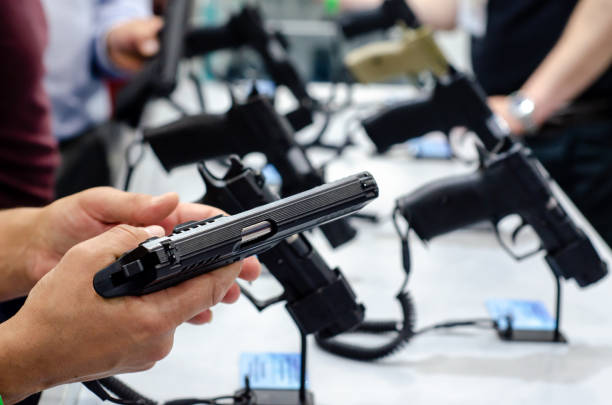
Selecting the right firearm for home defense is a decision that requires careful consideration of various factors, as it directly impacts the safety and security of you and your loved ones. A well-chosen firearm can provide peace of mind in uncertain situations, but not all firearms are created equal for home defense purposes. Below, we explore how to choose the most effective firearm suited to your needs.
Types of Firearms Commonly Used for Home Defense
- Compact and easy to maneuver in tight spaces
- Can be stored securely yet accessed quickly
- Examples: Semi-automatic pistols (e.g., Glock 19), revolvers (e.g., Smith & Wesson Model 686)
- Highly effective at close range with minimal aiming precision required
- Often considered intimidating, which could deter intruders
- Examples: Pump-action shotguns (e.g., Mossberg 500), semi-automatic shotguns (e.g., Benelli M4)
- Superior accuracy over longer distances compared to other firearms
- May not be ideal in confined spaces due to size and weight
- Examples: AR-15 platform rifles, lever-action rifles
Advantages and Limitations by Type (Table Comparison)
| Firearm Type | Pros | Cons |
| Handgun | Portable, easy to store, quick access | Limited ammunition capacity compared to rifles or shotguns |
| Shotgun | High stopping power, simple aiming | Bulkier, may require more training to handle effectively |
| Rifle | Precision shooting at longer ranges | Less maneuverable indoors due to size |
Factors That Determine Effectiveness
- Ease of Use – The firearm should be intuitive and comfortable for all authorized users in the household. Test grip, recoil management, and ease of loading before purchasing.
- Stopping Power – Consider calibers or gauge sizes that balance sufficient stopping power with manageable recoil. For example:
- Handgun calibers such as 9mm are popular due to their balance between power and control.
- Shotguns using buckshot are a common choice for close quarters without over-penetration risks.
- Ammunition Capacity – A higher capacity may be beneficial during prolonged incidents but ensure state laws regarding magazine capacities are followed.
- Storage Feasibility – Think about how easily you can securely store the firearm while keeping it accessible during emergencies.
Situational Considerations
- For compact apartments or homes with tight hallways, handguns or short-barrel shotguns offer better maneuverability.
- Larger properties with potential threats from greater distances may benefit from rifles capable of precision firing.
By carefully assessing what aligns best with your home environment, skill level, and local regulations, you can ensure that you select an effective tool tailored specifically for safeguarding your household’s welfare during challenging situations.
Finding a Reliable Gunsmith Near Me for Firearms and Home Defense Basics
When it comes to home defense, firearms have been a common choice for individuals looking to protect their households. However, understanding the basics of firearms and their role in this context is critical to making informed decisions.
The Purpose of Firearms in Home Defense
Firearms serve as tools to ensure personal safety and security when faced with potential threats. Their primary purpose in home defense includes:
– Deterring intruders: The presence of a firearm can discourage an intruder from continuing unlawful activity.
– Neutralizing threats: In extreme scenarios, firearms provide the means to stop an immediate danger.
– Providing peace of mind: Knowing you have access to protection can provide a sense of security during uncertain times.
Types of Firearms Commonly Used for Home Defense
- Compact and easy to handle, handguns are ideal for quick access and maneuverability within confined spaces such as hallways or rooms.
- Common choices include semi-automatic pistols (e.g., Glock 19) and revolvers (e.g., Smith & Wesson 686).
- Known for their stopping power, shotguns are particularly effective at short ranges.
- Pump-action models like the Remington 870 offer reliability, while semi-automatic variants provide quicker follow-up shots.
- While typically used for long-range scenarios, certain rifles like AR-15 carbines can be tailored for home defense due to their versatility and accuracy.
- They offer greater capacity but may not be as well-suited for tight spaces compared to other options.
| Firearm Type | Key Advantage | Potential Drawback | Example Models |
| Handgun | Compact; easy maneuvering | Limited stopping power | Glock 19, Smith & Wesson M&P Shield |
| Shotgun | High stopping power | Difficult handling indoors | Remington 870, Mossberg 500 |
| Rifle | Versatile; high capacity | Overpenetration risk | AR-15 Carbine |
Legal Considerations
Understanding local laws is a fundamental part of owning firearms for home defense. Regulations often vary by state or country regarding ownership requirements, storage mandates, and use-of-force rules during self-defense situations.
Some questions to consider include:
– Do you need a permit or license?
– Are there restrictions on magazine capacity?
– What rules govern safe storage practices?
Assessing Your Comfort Level with Firearms
Even if a firearm is effective on paper, it must align with your personal skill level:
– Beginners may prefer handguns due to ease of learning basic functionality. – Individuals experienced with shooting may opt for more complex options such as rifles or shotguns.
By understanding these foundational elements—types of firearms, legal requirements, and personal considerations—you’ll be better positioned to evaluate how firearms fit into your home defense strategy responsibly.
Essential Tips for Choosing a Firearm from a Gun Dealer in Michigan
When it comes to protecting your home and loved ones, selecting the appropriate firearm is a crucial decision. The right choice can ensure both safety and effectiveness, while an unsuitable option could create unnecessary risks. Below are key factors to evaluate when choosing a firearm for home defense purposes.
1. Ease of Use
A firearm should feel comfortable and intuitive when in use. For home defense, simplicity is often better, especially for individuals with less experience handling guns. Consider these points:
– Weight: Lightweight options may be easier to maneuver during high-stress scenarios. – Grip Comfort: The firearm should fit comfortably in your hand without causing strain. – Recoil Management: Reduced recoil helps improve accuracy and makes follow-up shots quicker.
2. Reliability
Your home defense weapon needs to function flawlessly every time it’s needed. Select firearms from manufacturers known for their robust quality control and reliability under various conditions. Models tested in adverse environments or by law enforcement agencies are good benchmarks.
3. Caliber Selection
The caliber of the firearm significantly impacts its stopping power, recoil, and penetration capabilities: – 9mm: A popular choice due to manageable recoil, ample stopping power, and increased ammunition capacity. – .45 ACP: Offers strong stopping power but with higher recoil. – 12-Gauge Shotgun: Delivers substantial impact at close range but requires careful handling due to greater recoil and potential overpenetration risks.
Evaluate your comfort level with the caliber you choose by practicing at a range.
4. Weapon Type
Different types of firearms suit different preferences and scenarios: | Firearm Type | Pros | Cons | |———————|——————————————|—————————————-| | Handguns (Pistols) | Compact, easy storage; quick access | Requires accuracy training | | Shotguns | High stopping power; wide spread pattern| Larger size; potential overpenetration | | Rifles (Carbines) | Accurate at longer distances | Less maneuverable indoors |
Handguns are often preferred due to their compact nature, while shotguns are highly effective for close-range protection within the home.
5. Ammunition Considerations
Equally important as the firearm itself is selecting appropriate ammunition: – Use hollow-point or defensive rounds that expand on impact rather than full metal jacket rounds that may penetrate walls. – Test different brands of ammunition with your chosen gun to ensure compatibility and reliability.
6. Accessibility vs Safe Storage
A balance must be struck between quick accessibility during emergencies and safe storage practices: – Gun safes with biometric locks offer secure yet rapid access. – Avoid leaving firearms unattended where unauthorized individuals might access them.
7. Budget Constraints
While investing in a quality firearm is essential, set aside funds for accessories such as holsters, safes, lights, or optics if necessary.
By carefully evaluating these factors based on your unique needs and environment, you can make an informed choice regarding the best firearm for safeguarding your home effectively while prioritizing safety above all else.
Discover Top Firearms for Home Defense at a Leading Gun Store Michigan
Selecting the right firearm for home defense involves understanding the types of firearms available and their specific features that cater to personal safety. Below is an exploration of some popular firearm categories designed specifically for home defense, along with their pros and cons to help you make an informed decision.
Handguns: Compact and Versatile
Handguns are one of the most commonly chosen firearms for home defense due to their size, ease of use, and versatility. They can be stored securely in small spaces and are relatively easy to maneuver in close quarters.
Popular Features: – Lightweight and compact – Quick access when needed – Easier to handle for individuals with limited firearm experience
| Model | Caliber | Capacity | Notable Feature |
| Glock 19 | 9mm | 15+1 | Durable, reliable, and widely used |
| Smith & Wesson M&P 9 | 9mm | 17+1 | Ergonomic grip with customizable backstraps |
| Sig Sauer P320 | 9mm/.45 ACP | Varies | Modular design for customization |
Considerations: – Requires precision aiming in stressful situations. – May have limited stopping power compared to shotguns or rifles.
Shotguns: Power and Wide Coverage
Shotguns are another excellent choice due to their stopping power and how they perform under pressure. With a wider spread pattern, shotguns are effective at short ranges, making them ideal for home defense scenarios.
Popular Features: – High stopping power – Minimal need for precise aiming at close range – Variety of ammunition options (e.g., buckshot or birdshot)
| Model | Gauge | Capacity | Notable Feature |
| Mossberg 500 | 12-gauge | Varies | Pump-action reliability |
| Remington 870 | 12-gauge | Varies | Highly customizable |
| Kel-Tec KSG | Dual-tube | Up to 14+1 12-gauge rounds Compact bullpup design |
Considerations: – Larger size may make it harder to maneuver indoors. – Significant recoil that may be difficult for beginners.
Rifles: Precision at a Distance
While rifles may not always be the first choice for home defense due to their length, certain models like AR-style platforms have gained popularity thanks to their modularity and accuracy at mid-range distances. These firearms often use smaller rounds that provide sufficient stopping power without excessive penetration through walls.
Popular Features: – High capacity magazines – Accurate over long distances – Modular designs allow customization based on user preferences
| Model | Caliber | Capacity | Notable Feature |
| AR-15 (various brands) | .223/5.56 | Typically up to 30 rounds Customizable platform | |
| Ruger Mini-14 | .223/5.56 | Up to 20 rounds Lightweight alternative |
Considerations: – Overpenetration risk due to higher velocity rounds. – Less practical in tight spaces compared to handguns or shotguns.
Key Takeaways
When exploring popular firearms designed specifically for home defense solutions: 1. Consider your living environment (e.g., apartment vs. house) when choosing between handguns, shotguns, or rifles. 2. Evaluate factors like recoil control, ease of storage, maneuverability in confined spaces, and ammunition type. 3. Invest time in trying different models at a shooting range or seeking professional recommendations before purchasing any firearm.
Always prioritize safety practices such as proper training on firearm handling and secure storage methods tailored to your household needs.
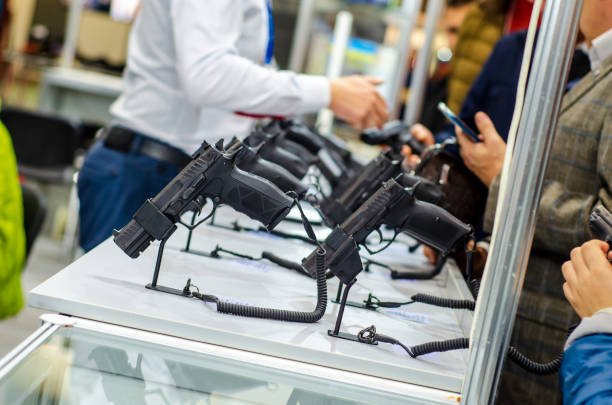
Essential Tips for Those Looking to Buy Guns Michigan: Safety and Training Matter
Owning a firearm is a significant responsibility, particularly when it is intended for home defense. Proper training and safe storage practices are essential not only for ensuring the safety of a household but also for promoting responsible gun ownership within the community. Below, we explore key aspects of training and storage that every firearm owner should prioritize.
Benefits of Firearm Training
- Enhanced Safety: Firearm training teaches owners how to handle, load, unload, and store guns safely to minimize accidental discharges or mishandling.
- Improved Accuracy: With practice under professional guidance, owners can develop better marksmanship skills, which are crucial when using firearms for self-defense.
- Situational Awareness: Training helps individuals understand when it is appropriate to use a firearm and how to assess potentially dangerous situations.
- Legal Knowledge: Many training programs include education on local firearm laws, helping owners stay informed about their responsibilities and legal obligations.
Types of Firearm Training
- Basic Safety Courses – Covers fundamentals like proper handling, cleaning, and storage.
- Home Defense Training – Focuses on using firearms in defensive scenarios within the home environment.
- Concealed Carry Classes – Designed for those intending to carry a concealed weapon legally.
- Live Fire Exercises – Provides hands-on practice at shooting ranges under expert supervision.
Importance of Safe Storage
Keeping firearms stored securely is critical for preventing unauthorized access or accidental injuries—especially in households with children or guests unfamiliar with gun safety.
Common Safe Storage Options
| Storage Option | Key Features | Who It’s Best For |
| Gun Safes | Heavy-duty safes with locking mechanisms (keypad/biometric). | Owners with multiple firearms or valuables to secure |
| Lockboxes | Compact boxes offering portability and quick access options. | Individuals needing single-gun storage solutions |
| Trigger Locks | Simple locks that prevent the trigger from being pulled. | Budget-conscious owners needing basic security |
| Wall-Mounted Racks | Secure mounting options that save space while displaying firearms. | Owners seeking secure yet accessible storage. |
Guidelines for Safe Storage
- Store all firearms unloaded when not in use.
- Use high-quality locks or safes designed specifically for guns.
- Keep ammunition stored separately from firearms.
- Ensure children cannot access keys or combinations to locks.
Combining Training with Proper Storage Practices
Responsible gun ownership depends on balancing education with practical measures like safe storage solutions. Regularly attending refresher courses ensures that your skills remain sharp while keeping up-to-date on changes in laws or best practices related to firearm use.
By prioritizing both training and secure storage practices, gun owners can protect themselves and others while fostering a culture of responsibility within their communities—a crucial step toward ensuring safety at home without compromising personal freedoms.
How to Choose the Best Gun Store for Your Firearm and Safety Needs
When purchasing a firearm, selecting the right gun store is just as important as choosing the firearm itself. A reputable gun store ensures not only access to quality firearms but also provides essential guidance, training resources, and a focus on safety. Below are key considerations and actionable tips to help you make an informed choice when selecting a gun store.
Research Reputation and Credibility
A reliable gun store should have a strong reputation within the community. Look for online reviews, ratings, and customer testimonials that reflect their professionalism and expertise. Local forums or discussions among firearm enthusiasts can also provide valuable insights into trusted stores in your area.
Factors to assess:
– Customer feedback: Are customers satisfied with their purchases?
– Compliance: Does the store follow federal, state, and local regulations?
– Expertise: Do staff members appear knowledgeable about firearms and accessories?
Evaluate Product Selection
A well-stocked gun store should offer a variety of firearms catering to different needs such as home defense, hunting, or recreational shooting. Beyond firearms, check whether they carry safety gear, ammunition, holsters, safes, and cleaning supplies.
Questions to consider:
– Do they stock trusted brands known for quality and reliability?
– Is there an option to special order items if something is not available in-store?
– Are there diverse calibers and models available for testing or inspection?
| Firearm Category | Examples | Primary Uses |
| Home Defense | Shotguns, Handguns | Protecting your household |
| Hunting | Rifles | Game hunting |
| Recreational Shooting | Semi-Automatic Pistols | Target practice |
Assess Staff Expertise
Knowledgeable staff can make your purchase experience more informed and comfortable. Staff members should be able to guide new firearm owners through the selection process while answering technical questions confidently.
Key qualities in staff:
– Patience when assisting inexperienced buyers
– Clear explanations of local laws regarding ownership or concealed carry permits
– Recommendations tailored to individual needs rather than upselling unnecessary items
Check Training Opportunities
Many reputable stores offer firearm safety classes or shooting range access for hands-on learning. This convenience can be invaluable for first-time buyers who need proper training on handling and maintaining their weapon responsibly.
Look for stores offering:
– Handgun or rifle safety courses focused on legal use scenarios
– Defensive shooting classes relevant to personal protection strategies
– Accessory workshops (e.g., safe storage devices)
Confirm Commitment to Safety Standards
Prioritize stores that emphasize responsible ownership by offering products like secure gun safes or trigger locks alongside educational materials about safe handling practices at home. Stores promoting both self-defense knowledge and accident prevention demonstrate genuine care for their customers’ well-being.
Safety-related offerings may include:
1. Gun safes with various lock mechanisms (biometric vs mechanical)
2. Trigger lock demonstrations during purchase consultations
3. Pamphlets covering childproofing tips
Compare Pricing Transparency
Pricing matters but should never come at the expense of quality or legality compliance when buying firearms responsibly—cheaper isn’t always better especially concerning long-term maintenance reliability risks!
- Finding the Best Gunsmith Near Me: A Beginner’s Guide for First-Time Gun Owners
- Top 6 Essential Tips for Finding the Best Gunsmith Near Me for Your Home Defense Handgun
- Finding the Best Firearm for Home Defense at a Gun Shop Michigan
- The Ultimate Checklist for First-Time Gun Owners at a Gun Store in Michigan
- Discover the Top 5 Firearms Every Responsible Gun Owner Should Have from a Gun Shop in Michigan
- Essential Tips for First-Time Buyers from a Trusted Gun Dealer Michigan
- Finding a Reliable Gunsmith Near Me: Tips for Responsible Gun Ownership and Safety