

For those new to firearm ownership, the process can seem overwhelming. From selecting the right firearm to understanding safety protocols and legal responsibilities, there is much to learn. A comprehensive checklist can help ensure that first-time and beginner gun owners are fully prepared to act responsibly and confidently.
1. Research and Choose the Right Firearm
Before making a purchase, consider your needs, preferences, and intended use for the firearm. Here are some factors to evaluate:
– Purpose: Are you purchasing a firearm for home defense, personal protection, hunting, or recreational shooting?
– Size: Larger firearms like rifles or shotguns may be better for home use, while compact handguns may be ideal for concealed carry.
– Caliber: Choose a caliber based on your comfort with recoil and effectiveness for your intended purpose.
– Fit: Ensure the firearm feels comfortable in your hands. Test different models at a shooting range if possible.
2. Prioritize Firearm Education
Learning how firearms operate is crucial before owning one. Key areas of education include:
– Safety Training Courses: Attend a certified safety course that covers basic handling techniques, safe storage practices, and firing fundamentals. – Practice at Shooting Ranges: Familiarize yourself with your chosen firearm under controlled conditions. – Reading Manuals: Every firearm comes with a manufacturer’s manual—read it thoroughly to understand its specific operation.
3. Understand Legal Requirements
Firearm ownership is heavily regulated by local, state, and federal laws. As a beginner gun owner: – Investigate whether your state requires permits or background checks before purchase. – Check concealed carry requirements if you plan to carry outside the home. – Review laws regarding transportation of firearms across state lines.
| Legal Considerations | Example Requirements (Varies by Jurisdiction) |
| Permit/License | Some states mandate permits before purchasing or carrying |
| Background Checks | Often required at point of sale |
| Waiting Periods | Certain jurisdictions enforce waiting periods post-purchase |
4. Select Proper Storage Solutions
Safe storage not only ensures compliance with legal obligations but also protects others from accidental harm: – Invest in a high-quality gun safe or lockbox. – Use trigger locks for additional security. – Store ammunition separately from firearms.
5. Purchase Essential Accessories
Beginner gun owners should consider acquiring tools and accessories that complement their experience: – Cleaning Kits: Regular maintenance ensures functionality. – Eye & Ear Protection: Essential when practicing at shooting ranges. – Carrying Cases: Necessary for secure transport outside the home.
By following this checklist diligently, new gun owners can build confidence while fulfilling their responsibilities as safe and informed members of their community.
Essential Storage Tips from a Trusted Gun Shop Michigan to Keep Your Firearms Safe
Storing firearms safely is one of the most crucial responsibilities of any gun owner. Proper storage not only ensures the safety of your household but also prevents unauthorized access, theft, and accidental injuries. Below is a comprehensive guide on effective firearm storage solutions that prioritize safety and accessibility.
How to Safely Buy Guns Michigan Residents Can Rely On
- Prevention of Accidents: Accidental discharge is a leading cause of firearm-related injuries, especially in homes with children or inexperienced users.
- Theft Prevention: Secure storage reduces the chance of firearms falling into the wrong hands during burglaries.
- Legal Compliance: Many states have laws requiring secure firearm storage to prevent access by minors or unauthorized users.
Key Features to Look for in Firearm Storage Solutions
When choosing a storage solution, consider the following factors:
1. Security: Opt for tamper-proof designs with robust locking mechanisms. Biometric locks provide quick access while maintaining security.
2. Size and Capacity: Ensure your storage solution accommodates all your firearms, including accessories like magazines and scopes if needed.
3. Fireproofing: Some safes offer fire-resistant features to protect firearms from damage during unforeseen events like house fires. 4. Accessibility: Strike a balance between quick access for emergencies and secure locking mechanisms to prevent unauthorized use.
Gun Safes
Gun safes are among the most secure options for firearm storage, offering advanced features such as fire resistance, digital keypads, and biometric scanning technology.
| Feature | Description |
| Material | Heavy-duty steel construction |
| Locking Mechanism | Biometric locks or combination locks |
| Capacity | Varies; can store multiple firearms |
Gun Cabinets
Gun cabinets are lightweight alternatives to safes that still provide an additional layer of protection compared to leaving guns unsecured.
- Affordable option.
- Transparent doors (in some models) allow you to display your collection.
- Less resistant to tampering and fire compared to safes.
Trigger Locks
Trigger locks are portable devices that immobilize individual weapons by securing their triggers.
- Easy installation.
- Cost-effective for single-gun owners.
- Not suitable for long-term storage or theft prevention.
Lockable Cases
Lockable cases are ideal for transporting firearms safely while adhering to legal requirements but can also serve as basic home-storage solutions.
Tips for Storing Firearms at Home
- Always unload firearms before storing them.
- Store ammunition separately in a locked container.
- Place safes or cabinets in discreet locations away from easy visibility.
- Regularly inspect your storage setup for wear-and-tear or potential weaknesses in security.
Preventing Unauthorized Access
To ensure that no unauthorized individuals gain access to your firearms:
– Use keyed or combination locks with unique codes or keys known only by trusted individuals. – Consider investing in smart technology such as apps that notify you if someone tampers with your safe.
By implementing these proper storage practices, gun owners can ensure their firearms remain secure while being accessible when needed responsibly and legally.
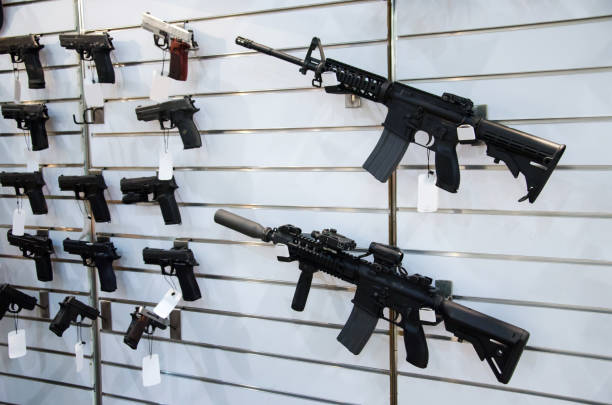
Proper Storage Solutions to Keep Your Firearms Safe and Secure
Ensuring the proper storage of firearms is fundamental to maintaining safety in your home and preventing unauthorized access. Whether you’re a first-time gun owner or a seasoned enthusiast, implementing secure storage solutions not only protects your investment but also reduces the risk of accidents. Below, we outline key considerations and storage options to help you safeguard your firearms responsibly.
Why Proper Storage Matters
- Prevents Unauthorized Access: Storing firearms securely ensures that they remain out of reach for children, visitors, or anyone not authorized to handle them.
- Reduces Risk of Accidents: Proper storage minimizes the chance of unintentional discharges that could result in injury or property damage.
- Compliance with Laws: Many jurisdictions have legal requirements regarding firearm storage. Adhering to these laws helps you avoid penalties and ensures responsible ownership.
- Theft Prevention: Properly secured firearms are less likely to be stolen during a break-in.
Key Factors When Choosing a Storage Solution
When deciding how to store your firearms, consider the following: 1. Accessibility: – If you use a firearm for personal defense, quick access is essential. Look for safes with biometric locks or keypad entry systems for faster retrieval. 2. Capacity: – Evaluate how many firearms you own (or plan to own) and select a solution that accommodates your entire collection along with accessories such as ammunition. 3. Security Level: – Opt for high-quality locking mechanisms and durable materials that provide resistance against tampering or forced entry. 4. Environmental Protection: – Protect against moisture, dust, and temperature fluctuations by investing in climate-controlled storage options.
Common Firearm Storage Solutions
| Storage Option | Description | Pros | Cons |
| Gun Safe | Heavy-duty enclosure designed specifically for firearm security | Highly secure; some models are fireproof | Expensive; bulky |
| Lockable Gun Cabinet | Lightweight option generally made from steel | Budget-friendly; compact | Less secure than a safe |
| Trigger Locks | Devices attached directly to trigger mechanisms | Inexpensive; portable | Does not prevent theft |
| Biometric Safes | Compact safes using fingerprint recognition | Quick access; advanced technology | Higher cost |
| Wall-Mounted Racks | Secure mounts fixed to walls | Saves space | May lack comprehensive security features |
| Concealment Furniture | Furniture designed with hidden compartments | Blends into home decor | Limited space |
Best Practices in Firearm Storage
To maximize safety and compliance when storing firearms: – Always store ammunition separately from firearms in locked containers. – Use desiccant packets or dehumidifiers inside safes or cabinets to prevent rust or corrosion. – Regularly inspect locks and mechanisms on safes or cabinets. – Ensure only authorized individuals know how to access stored weapons.
By understanding the importance of secure firearm storage and exploring various options tailored to your needs, you take an essential step toward responsible gun ownership while enhancing household safety.
Legal Considerations Every Gun Owner Should Know When Looking for a Gunsmith Near Me
Federal vs. State Laws
- Federal Laws: These apply to all U.S. residents and include regulations like background checks, prohibited persons (e.g., felons or those with restraining orders), and restrictions on certain types of firearms such as fully automatic weapons or sawed-off shotguns.
- State-Specific Laws: Each state has its own set of rules regarding firearm ownership, carry permits, and usage. Some states require stringent licensing processes, while others may have more lenient laws. Always ensure you know what applies in your specific state.
| Topic | Federal Law | State-Specific Example |
| Background Checks | Required through the National Instant Criminal Background Check System (NICS) | Varies – Some states require additional waiting periods |
| Concealed Carry Permits | No federal requirement | Reciprocity varies among states |
| Assault Weapons | Banned under certain conditions | Definitions may differ between states |
Licensing and Permitting
In many jurisdictions, owning or carrying a firearm requires obtaining proper licensing or permits. These requirements can include:
– Firearm Owner’s Identification (FOID) cards in some states like Illinois
– Licensing for concealed carry or open carry
– Specialized permits for purchasing certain types of firearms or accessories (e.g., suppressors)
Failing to secure the right permits could lead to fines, criminal charges, or confiscation of your weapon.
Transportation Rules
Transporting firearms across state lines introduces another layer of legal complexity:
– Unloaded and Secured: Most laws require that firearms be unloaded and stored in a locked container during transit.
– Ammunition Storage: Some states also mandate that ammunition must be stored separately from the firearm itself.
– Interstate Travel Considerations: When traveling between states, familiarize yourself with each state’s requirements to remain compliant during transport.
Self-Defense Laws
Understanding self-defense laws is particularly critical if you intend to use your firearm for personal protection. Key doctrines include:
1. Castle Doctrine: Provides the right to defend oneself with deadly force inside one’s home without a duty to retreat in most cases. 2. Stand Your Ground Laws: Allow individuals to use force without retreating when they feel threatened, even outside their home. 3. Duty to Retreat States: Mandate that an individual attempt escape before using deadly force where possible.
Misinterpretation of these doctrines could result in legal challenges following a defensive shooting situation.
Prohibited Locations for Firearms
Even if you’re legally allowed to own and carry a firearm, there are often designated “gun-free” zones where possession is prohibited by law: – Schools and universities – Federal buildings such as courthouses – Airports beyond TSA checkpoints – Private businesses that post “No Firearms” signs
Be aware that violating these restrictions can result in significant penalties.
Additional Tips for Legal Compliance
To stay on the right side of the law: – Regularly review updates to federal, state, and local regulations. – Consult an attorney specializing in firearms law if you have specific questions about compliance. – Consider enrolling in formal training courses that cover not only safe handling but also legal responsibilities tied to gun ownership.
By educating yourself on these important considerations, you can enjoy responsible gun ownership while avoiding potential pitfalls associated with non-compliance.
Top Recommended Accessories from a Trusted Gun Dealer Michigan to Enhance Your Firearm Experience
As a firearm owner, having the right accessories can significantly improve your shooting experience, safety, and overall performance. Whether you’re a novice or an experienced gun owner, investing in high-quality accessories can make a substantial difference. Below is a guide to some of the top recommended accessories to consider for enhancing your firearm experience.
Essential Accessories for Firearms
- Protective Gear
Safety should always be a top priority when handling firearms. The following protective gear is essential for every gun owner: - Ear Protection: Use earplugs or earmuffs designed specifically for shooting ranges to protect your hearing from loud gunfire.
- Eye Protection: High-impact resistant shooting glasses shield your eyes from debris, ejected casings, and accidental discharge particles.
- Gun Cleaning Kits
Proper maintenance extends the life of any firearm and ensures its reliability. A comprehensive gun cleaning kit typically includes: - Cleaning rods and brushes of various sizes
- Solvents and oils to prevent rusting and residue buildup
- Cotton patches for detailed cleaning
- Holsters
A quality holster provides safe transportation and accessibility for your firearm. When selecting a holster, consider: - Comfort and fit (inside-the-waistband or outside-the-waistband styles)
- Material (leather, Kydex, or nylon)
- Retention level to ensure secure placement of the firearm
- Ammunition Storage Solutions
Proper ammunition storage protects rounds from moisture and keeps them organized. Popular options include:
| Storage Solution | Key Benefits | Recommended For |
|———————|—————————————-|————————–|
| Ammo cans | Durable and portable | Long-term storage |
| Plastic ammo boxes | Lightweight with individual slots | Range trips |
| Desiccants | Moisture protection | Humid environments | - Sights & Optics
Improved accuracy comes with enhanced visual aids such as:- Red dot sights for quick target acquisition
- Scopes tailored for long-range shooting
- Night sights equipped with tritium for low-light conditions
Optional Accessories Worth Considering
- Magazines & Speed Loaders: Additional magazines reduce downtime during range sessions, while speed loaders make reloading faster and easier.
- Range Bags: A dedicated range bag keeps everything organized when heading to practice.
- Shooting Targets: Invest in paper or steel targets based on your training focus (accuracy vs reactive feedback).
- Weapon Lights & Lasers: Useful in tactical scenarios or self-defense situations where visibility is limited.
Tips When Selecting Firearm Accessories
- Match the accessory with your specific firearm model; not all products are universally compatible.
- Prioritize durability over cost when it comes to essential items like holsters or optics.
- Seek advice from experienced professionals or staff at reputable gun stores before making purchases.
Enhancing your firearm experience isn’t just about owning more gear—it’s about selecting the right tools tailored to your shooting needs while emphasizing safety and efficiency above all else.
- Finding the Best Gunsmith Near Me: A Beginner’s Guide for First-Time Gun Owners
- Top 6 Essential Tips for Finding the Best Gunsmith Near Me for Your Home Defense Handgun
- Finding the Best Firearm for Home Defense at a Gun Shop Michigan
- The Ultimate Checklist for First-Time Gun Owners at a Gun Store in Michigan
- Discover the Top 5 Firearms Every Responsible Gun Owner Should Have from a Gun Shop in Michigan
- Essential Tips for First-Time Buyers from a Trusted Gun Dealer Michigan
- Finding a Reliable Gunsmith Near Me: Tips for Responsible Gun Ownership and Safety